
Showing posts with label fasting. Show all posts
Showing posts with label fasting. Show all posts
22.1.18


9.8.17
Panduan Puasa Berkala dan Cara Pemakanan untuk Pesakit Diabetis/Obesiti
Assalamualaikum,
Hand out di bawah ini saya berikan kepada pesakit-pesakit yang mempunyai diabetis atau yang ingin mengurangkan berat badan..alhamdulillah ramai yang telah berjaya menurunkan paras gula, menurunkan berat badan serta tekanan darah..
____________________________________________________________________

 Cth: last makan malam pukul 8.00 malam dan keesokan harinya
anda ‘skip’ breakfast dan makan tengahari pukul 12.00 tengahari.
Cth: last makan malam pukul 8.00 malam dan keesokan harinya
anda ‘skip’ breakfast dan makan tengahari pukul 12.00 tengahari.  Maksudnya ‘puasa separuh hari’ dan
anda hanya makan 2 kali sehari (lunch, dinner)
Maksudnya ‘puasa separuh hari’ dan
anda hanya makan 2 kali sehari (lunch, dinner)

p/s: Selepas mencuba, sila hantar feedback anda kepada saya ya! (Melalui whatsap atau email)
-artikel ini dibenarkan utk dikongsi, tanpa kebenaran saya.
Hand out di bawah ini saya berikan kepada pesakit-pesakit yang mempunyai diabetis atau yang ingin mengurangkan berat badan..alhamdulillah ramai yang telah berjaya menurunkan paras gula, menurunkan berat badan serta tekanan darah..
____________________________________________________________________
Panduan untuk pesakit
diabetis/obesiti
(Dengan pengawasan doktor bertauliah,
terutama jika anda sedang mengambil ubat/insulin untuk diabetis)
1 1)
Puasa berkala (intermittent fasting)

a) Formula 16:8 iaitu
puasa selama 16 jam dan sela masa makan selama 8 jam
Cth: last makan malam pukul 8.00 malam dan keesokan harinya
anda ‘skip’ breakfast dan makan tengahari pukul 12.00 tengahari. Maksudnya ‘puasa separuh hari’ dan
anda hanya makan 2 kali sehari (lunch, dinner)
Dibolehkan minum air
kosong @ kopi @ the tanpa gula(blh dicampur stevia jika perlu) semasa tempoh
puasa. Tidak digalakkan ‘snacking’
b) Puasa penuh 2x seminggu (cth isnin
& khamis)
c) Puasa penuh selang sehari
Nota: Tujuan
puasa adalah supaya tubuh membakar simpanan gula (glikogen) dan seterusnya
lemak yang tersimpan dalam tubuh akan dibakar sebagai
sumber tenaga . Proses ini akan berterusan selagi anda tidak mengambil minuman
@ makanan manis/berkarbohidrat tinggi

2 2)
Diet Rendah Karbo & Lemak Sihat (RKLS)
Apa yang boleh dimakan?
 |
| Contoh diet RKLS |
 |
Contoh diet RKLS |
Asasnya makanan yang mengandungi karbo rendah, kandungan protein
sederhana tinggi serta lemak yang sihat.Ambillah makanan yang semulajadi, segar
dan bukan yang diproses @ makanan segera. Elakkan MSG (terutama makan di luar)
kerana MSG boleh meningkatkan paras insulin
·
Karbo: < 50 gm sehari. Kurangkan
pengambilan karbo berkanji (ingat: ianya hanya rantaian gula!) seperti nasi,
roti dan pasta. Gula makan- elakkan sama sekali!
Biskut dan kek-adalah
kombinasi gula dan karbo yang perlu dielakkan sama sekali kerana ia menyebabkan
anda lebih ketagih kepada gula dan menyebabkan anda lebih cepat lapar!
 |
| Contoh karbo 50 gm |
Semua sayuran hijau/salad
adalah ok. Makan seberapa banyak yang anda mahu.Biar anda kenyang dengan
sayur/ulam dan lauk.Jika ingin juga mengambil nasi, pastikan sangat minimum
(kira-kira ¼ pinggan). Digalakkan mencuba beras perang atau barli menggantikan beras putih
biasa. Tip: Bagi yang bekerja, boleh mencuba sup yang dimasak di rumah dan
dibawa ke tempat kerja. Lebihkan cendawan, tomato dan bawang di dalam sup.
Buah-buahan?
Buah-buahan hanya dimakan
secara‘raw’ dan tidak dibuat
jus.Buah-buahan yang boleh dimakan adalah seperti strawberi, epal dan pear
tetapi buah-buahan tempatan seperti pisang, tembikai, mangga dan nenas TIDAK
digalakkan kerana mengandungi gula yang tinggi
·
Protein – contoh ikan, ayam, daging dan
telur perlu diambil dengan agak banyak. Panduan: sekitar 4 saiz tapak tangan
sehari( wanitasekitar 80 gm, lelaki sekitar 120
gm sehari). Daging yang diproses seperti dalam burger, nuggets atau
sosej adalah tidak berapa menyihatkan dan perlu diambil sekali sekala sahaja
·
Lemak (Jangan takut kepada lemak!) perlu
diambil dalam kuantiti yang sederhana (dilebihkan). Lemak yang baik adalah
seperti yang terdapat dalam minyak kelapa, minyak sawit atau minyak zaitun.
Minyak kelapa adalah yang terbaik untuk menggoreng kerana ia paling stabil.
Gantikan marjerin dengan mentega yang lebih menyihatkan. Juga boleh mengambil
yoghurt tinggi lemak. Vitamin A, D, E dan K hanya boleh didapati dalam
makanan berlemak dan berminyak. Elakkan
marjerin, minyak jagung dan minyak sayuran.
Hati-hati makanan ‘rendah lemak’ kerana biasanya ia mengandungi gula yang tinggi atau pemanis tiruan!
#SukuSukuSeparuh . (Jika anda rasa diet di atas sangat extreme)
Ini portion mudah untuk diikuti seperti yang disarankan Kementerian Kesihatan Malaysia:
-Suku pinggan: lauk (protein, lemak)
-Suku pinggan : karbo (nasi)
-Separuh pinggan : sayur-sayuran/ulam

Hati-hati makanan ‘rendah lemak’ kerana biasanya ia mengandungi gula yang tinggi atau pemanis tiruan!
#SukuSukuSeparuh . (Jika anda rasa diet di atas sangat extreme)
Ini portion mudah untuk diikuti seperti yang disarankan Kementerian Kesihatan Malaysia:
-Suku pinggan: lauk (protein, lemak)
-Suku pinggan : karbo (nasi)
-Separuh pinggan : sayur-sayuran/ulam

MAKAN BANYAK SAYURAN DENGAN PROTEIN
DAN LEMAK YANG BAIK MENYEBABKAN ANDA LAMBAT LAPAR DAN INI MENSTABILKAN PARAS GULA DAN ANDA AKAN MEMBAKAR LEBIH BANYAK LEMAK
Disediakan oleh:
~Dr Hapizi
WA:
0179351516
Email :
dr_hapizi@yahoo.com
31.5.17
Manfaat-Manfaat Puasa Dari Sudut Kesihatan
Oleh: Dr Ahmad Hapizi Abdullah
(Artikel ini dihantar untuk diterbitkan oleh sebuah akhbar online)


(Artikel ini dihantar untuk diterbitkan oleh sebuah akhbar online)
“Wahai orang-orang yang
beriman, diwajibkan atas kamu untuk berpuasa sebagaimana diwajibkan atas
orang-orang sebelum kamu agar kamu bertaqwa..” (Surah Al-Baqarah:183)
Ayat di atas
selalu kita dengar setiap kali menjelangnya bulan Ramadan al mubarak yang kita
sama-sama akan menyambutnya tidak berapa lama lagi
Allah SWT
sebagai Pencipta manusia pastilah Maha Mengetahui hikmah diwajibkan berpuasa
selama sebulan penuh setiap tahun kepada setiap orang Islam kecuali jika
mempunyai keuzuran tertentu.
Antara manfaat
berpuasa secara umum adalah dari aspek kerohanian (meningkatkan keimanan,
menjadi insan lebih bertaqwa, melatih kesabaran, mengawal hawa nafsu dan
sebagainya), aspek psikologi (melatih
kemampuan mengawal diri, disiplin, mengurus masa, wang dan sebagainya) serta
aspek fizikal iaitu kesihatan.
Artikel ini akan memfokus kepada manfaat berpuasa dari aspek
kesihatan.
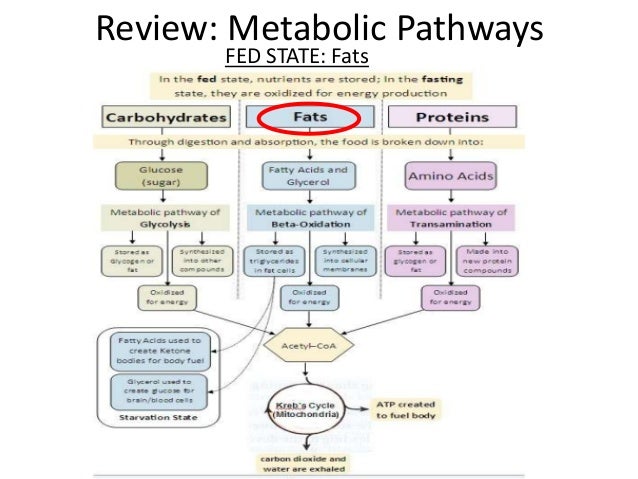
Sebelum itu ada baiknya kita memahami secara ringkas, proses
fisiologi normal yang berlaku apabila kita makan (fed state) dan apabila kita berpuasa (fasted state). Kedua-dua keadaan ini saling berkaitan tetapi
berlawanan antara satu sama lain (ibarat ‘yin’ dan ‘yang’)
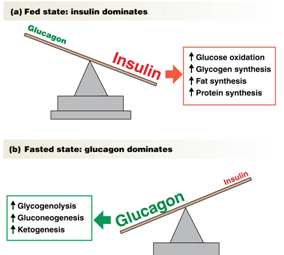
Sebaik sahaja kita makan, hormon insulin akan dirembeskan
sebanyak-banyaknya dan insulin akan memberi isyarat kepada tubuh untuk
menyimpan kalori sebagai lemak. Insulin juga akan menghalang pembakaran lemak
Dalam keadaan kita berpuasa, paras insulin adalah rendah
(manakala hormon glukagon dan hormon pertumbuhan (growth hormone) yang mempunyai fungsi berlawanan dengan insulin,
meningkat naik.
Secara ringkasnya insulin boleh diibaratkan sebagai “suis”
yang mengawal samada lemak disimpan atau dibakar
Apakah kepentingan anda mengetahui asas ini? Anda hanya boleh
membakar lemak dalam keadaan berpuasa dan anda hanya boleh menambah lebih
banyak lemak semasa anda kekenyangan!
Kerintangan Insulin
Akibat dari tabiat makan yang berlebihan di negara ini, kita
berada dalam keadaan kekenyangan (fed
state) dalam kebanyakan masa, cuma waktu tidur sahaja kita berada dalam
keadaan puasa (fasted state).
Kesannya sel-sel badan kita sentiasa ‘dibanjiri’ hormon insulin yang tinggi dan
kurang membakar lemak, sebaliknya pula lemak semakin lama semakin banyak
tersimpan dalam tubuh.
Akhirnya paras insulin yang tinggi sepanjang masa menyebabkan
tubuh kita hanya bergantung kepada glukosa sebagai sumber tenaga dan pendedahan
kepada insulin lama kelamaan menyebabkan sel-sel tubuh menjadi rintang (“immuned”) kepada insulin dan lebih
banyak hormon tersebut dirembeskan, menjadi suatu pusingan yang tak
berkesudahan (vicious cycle).
Kerintangan insulin yang kronik adalah punca kepada sindrom
metabolik yang ditandai dengan obesiti, pengumpulan lemak bahagian abdomen,
paras trigliserida tinggi, rendah HDL (‘kolesterol baik’) dan akhirnya boleh
membawa kepada diabetis.
Adaptasi lemak
Tubuh manusia mempunyai kebolehan untuk membakar lemak,
bukannya glukosa sebagai sumber tenaga. Ini tentunya perlu kepada masa dan
latihan tertentu, terutama dari pengubahsuaian dari segi pengambilan makanan
yang betul
Ada beberapa cara untuk mencapai keadaan diatas, antaranya
pengambilan diet rendah karbohidrat, bersenam, pengambilan makanan kalori
rendah dan berpuasa secara berkala (intermittent
fasting)
Puasa berkala (intermittent fasting)
Menurut Dr. Jason Fung, seorang Pakar Perubatan buah pinggang
dari Kanada dan antara peneraju dan penyelidik dalam bidang ini menegaskan,
antara manfaat puasa berkala adalah merangsang pembakaran lemak, meningkatkan
kesensitifan terhadap insulin, meningkatkan metabolisma, meningkatkan fungsi
otak, mengaktifkan sistem pertahanan badan, membaiki masalah hati berlemak,
merencat sel-sel kanser, mengurangkan proses inflamasi, merendahkan tekanan
darah, menurunkan kadar kolesterol dan banyak lagi.
Formula 16:8
Antara kaedah yang
disarankan oleh Dr Jason Fung ialah formula 16:8, iaitu anda berpuasa selama 16
jam dan makan hanya dalam selang masa 8 jam berikutnya. Contohnya makan malam
yang terakhir anda adalah pada jam 8.00 malam. Selepas itu anda jangan makan
apa-apa kemudian masuk tidur. Keesokan paginya, anda jangan mengambil sarapan,
sebaliknya teruskan berpuasa sehingga jam 12.00 tengahari untuk makan
tengahari. Dari pukul 12.00 tengahari, anda boleh makan seperti biasa hingga
pukul 8.00 malam
Ini kerana tubuh kita
memerlukan masa sekurang-kurangnya 12 jam untuk memasuki fasa pembakaran lemak.
Berpuasa merangsang autofagi
Autofagi adalah
proses pembersihan terhadap komponen-komponen sel dan molekul yang rosak.
Pengumpulan bahan-bahan buangan sel ini akan menjadi toksik dan merosakkan
fungsi sel. Semasa keadaan kekenyangan dimana paras insulin adalah tinggi,
kadar proses autofagi ini adalah sangat rendah dan semasa berpuasa, kadarnya
meningkat sehingga 5 kali ganda!
Autofagi adalah
proses yang aktif semasa umur muda. Semakin umur meningkat, proses autofagi
semakin menurun dan menyebabkan kerosakan sel semakin bertambah, ditambah lagi
jika seseorang mempunyai diabetis.
Dengan mengamalkan
puasa berkala, didapati kadar autofagi menjadi aktif seperti pada usia muda!
Berpuasa sebagai terapi anti-penuaan
Kajian saintifik juga
mendapati puasa secara berkala memanjangkan telomere
iaitu struktur yang terdapat di hujung kromosom yang melindungi kromosom dari
kerosakan. Secara asasnya semakin panjang telomere
seseorang, didapati umurnya semakin panjang serta kesihatan seseorang secara
umumnya baik.
Paras saintis barat
sedang giat menyelidik dan mencipta ubat-ubatan serta terapi yang mahal untuk
memanjangkan telomere, jadi kenapa perlu ubat-ubat yang mahal, sedangkan anda
boleh melakukannya dengan mudah dan percuma? Berpuasa!
Puasa Ramadan
Jelaslah berpuasa di
bulan Ramadan adalah salah satu kaedah puasa berkala. Katalah kita bersahur
pada pukul 5.00 pagi dan berbuka pada pukul 7.20 malam. Itu sudah 14 jam lebih
berpuasa!
Selepas masuknya azan
subuh, kita akan mula berpuasa sehinggalah ke azan maghrib. Pada masa itulah
sel-sel tubuh kita akan menggunakan glukosa yang diambil semasa sahur, dan
apabila ini kehabisan, glikogen iaitu (simpanan glukosa yang berada dalam otot
dan hati akan dibakar). Apabila bekalan glikogen pula habis, tubuh akan
membakar lemak pula sebagai sumber tenaga.
Kajian-Kajian Saintifik Berkenaan Puasa Ramadan
Terdapat banyak
kajian yang telah dibuat berkenaan puasa Ramadan. Pada tahun 1996, sebuah
konferen antarabangsa telah berlangsung di Casablanca, Morocco dan sebanyak 50
kertas kajian dibentangkan. Kesimpulan dari konferen tersebut telah menunjukkan
puasa Ramadan mempunyai kesan positif terhadap kesihatan termasuk mengawal
kadar glukosa darah, menurunkan tekanan darah, membaiki profil kolesterol dan
kesan menurunkan berat badan. Tiada kesan sampingan serius dilaporkan.
Nasihat umum semasa Ramadan
Semasa berbuka dan
malamnya, kurangkan pengambilan minuman dan makanan manis serta berkarbohidrat
tinggi seperti air yang sangat manis, kuih muih yang manis dan nasi yang
berlebihan. Sebaliknya lebihkan pengambilan air kosong, makanan tinggi
kandungan serat (sayur-sayuran, buah-buahan) serta makanan yang yang mempunyai
kandungan protein dan lemak yang lebih tinggi.
Ini kerana minuman
atau makanan yang manis akan meninggikan kandungan insulin seterusnya merencat
proses pembakaran lemak. Apa yang kita mahu adalah tubuh terus menggunakan ‘mode’ pembakaran lemak, walaupun pada
malam-malam Ramadan!
Jadi makanlah secara
bersederhana, kalau ingin ‘bersenam’ pula, jangan lupa untuk bertarawih pada
malamnya. Dapat pahala dan kesihatan yang baik…insya Allah !
Dan apabila
berakhirnya Ramadan, ada baiknya kita meneruskan puasa berkala ini (puasa sunat
isnin dan khamis misalnya) serta mengurangkan pengambilan gula serta makanan
berkarbohidrat tinggi!
Dr Ahmad Hapizi Abdullah
Setiausaha Perdim Pahang
10.5.17
Therapeutic Fasting
And this is from Dr Eric Berg
6.5.17
24.7.11
The Spiritual and Health Benefits of Ramadan Fasting

By Shahid Athar M.D.
At the onset of Ramadan Muslims all over the world start fasting from dawn to dusk daily for 30 days as ordained in Quran.
"O you who believe fasting is prescribed to you as it was prescribed to those before you so that you can learn Taqwa" (Quran 2:183)
The Arabic word Taqwa is translated in many ways including God consciousness, God fearing, piety, and self restraining. Thus we are asked to fast daily for one month from dawn to dusk and avoid food, water, sex and vulgar talk during that period.
But why do we need to fast? It is our experience that temptations and ways of the world tend to spoil our purity and austerity. Thus we indulge in food all of the time, snacking and nibbling the whole day, heading to obesity. We drink too much coffee, or tea, or carbonated drinks. Some sexaholics can not stay away from sex unless they do it at least once or more a day. When we argue, we leave our decency aside and resort to vulgar talk and even physical fighting.
Now when one is fasting, he or she cannot do all of that. When he looks at the mouth watering food, he cannot even taste it and he has to give up snacking and nibbling as well as smoking cigarettes if he does. No constant coffee, tea or Coke drinking either. Sexual passions have to be curtailed and when he is provoked to fight, he says " I am fasting that I cannot respond to your provocation". To achieve God consciousness or God nearness, a better word, we are advised to do additional prayer and read the Quran.
Medical benefits of Ramadan
Muslims do not fast because of medical benefits which are of a secondary nature. Fasting has been used by patients for weight management, to rest the digestive tract and for lowering lipids. There are many adverse effects of total fasting as well as of crash diets. Islamic fasting is different from such diet plans because in Ramadan fasting, there is no malnutrition or inadequate calorie intake. The calorie intake of Muslims during Ramadan is at or slightly below the nutritional requirement guidelines. In addition, the fasting in Ramadan is voluntarily taken and is not a prescribed imposition from the physician.

Ramadan is a month of self-regulation and self training, with the hope that this training will last beyond the end of Ramadan. If the lessons learned during Ramadan, whether in terms of dietary intake or righteousness, are carried on after Ramadan, there effects will be long lasting. Moreover, the type of food taken during Ramadan does not have any selective criteria of crash diets such as those which are protein only or fruit only type diets. Everything that is permissible is taken in moderate quantities.
The difference between Ramadan and total fasting is the timing of the food; during Ramadan, we basically miss lunch and take an early breakfast and do not eat until dusk. Abstinence from water for 8 to 10 hours is not necessarily bad for health and in fact, it causes concentration of all fluids within the body, producing slight dehydration. The body has its own water conservation mechanism; in fact, it has been shown that slight dehydration and water conservation, at least in plant life, improve their longevity.
The physiological effect of fasting includes lowering of blood sugar, lowering of cholesterol and lowering of the systolic blood pressure. In fact, Ramadan fasting would be an ideal recommendation for the treatment of mild to moderate, stable, non-insulin diabetes, obesity, and essential hypertension. In 1994 the first International Congress on "Health and Ramadan", held in Casablanca, entered 50 extensive studies on the medical ethics of fasting. While improvement in many medical conditions was noted; however, in no way did fasting worsen any patients' health or their baseline medical condition. On the other hand, patients who are suffering from sever diseases, whether type I diabetes or coronary artery disease, kidney stones, etc., are exempt from fasting and should not be allowed to fast.
There are psychological effects of fasting as well. There is a peace and tranquility for those who fast during the month of Ramadan. Personal hostility is at a minimum, and the crime rate decreases. Muslims take advice from the Prophet who said, "If one slanders you or aggresses against you, say I am fasting."
This psychological improvement could be related to better stabilization of blood glucose during fasting as hypoglycemia after eating, aggravates behavior changes. There is a beneficial effect of extra prayer at night. This not only helps with better utilization of food but also helps in energy output. There are 10 extra calories output for each unit of the prayer. Again, we do not do prayers for exercise, but a mild movement of the joints with extra calorie utilization is a better form of exercise. Similarly, recitation of the Quran not only produces a tranquility of heart and mind, but improves the memory.
One of the odd nights in the last 10 days of Ramadan is called the night of power when angels descend down, and take the prayer of worship to God for acceptance.
Fasting is a special act of worship which is only between humans and God since no one else knows for sure if this person is actually fasting. Thus God says in a hadith qudsi that "Fasting is for Me and I only will reward it". In another hadith, the Prophet Mohammad (peace be upon him) has said "If one does not give up falsehoods in words and actions, God has no need of him giving up food and drink".
Happy Ramadan to all Muslims.

Shahid Athar M.D. is Clinical Associate Professor of Internal Medicine and Endocrinology, Indiana University School of Medicine Indianapolis, Indiana, and a writer on Islam.
http://www.islamfortoday.com/athar07.htm
16.9.08
What Happens When You're Fasting..

After your cells use up the sugar that is in your bloodstream from your last meal or beverage, your body has to find another source of energy for your cells. And the first places that it turns to are your liver and your muscles. Both your liver and your muscles store sugar in the form of glycogen, and when needed, glycogen can be broken down to glucose, which all of your cells can use to produce energy for their ongoing activities.
Your glycogen stores are depleted within about 24 hours, give or take a few hours. After your glycogen stores are used up, most of your cells begin burning fatty acids for energy -- these fatty acids come from your fat reserves, including fatty tissue that surrounds your organs.

Two groups of cells -- your red blood cells and your brain cells -- cannot use fatty acids to fuel their energy needs. Your red blood cells and brain require glucose, and once glycogen/glucose from your muscles and liver are used up, your brain and your red blood cells get their glucose from two sources:
1. From glycerol, which is a component of your fat tissues.
2. From your muscles -- some of your muscle tissues get broken down, and the amino acids from your muscle tissues are used to produce glucose for your brain and red blood cells.
!Getting back to the big picture, it should be clear that from about the 2nd or 3rd day of a fast, your body meets it energy requirements by burning through your fat reserves.
!Since the bulk of the toxins in your body are stored in your fat reserves, the longer you fast, the more fat you'll burn and the more toxins you'll eliminate from your system.
!Your body begins to eliminate large quantities of toxins only after it begins to burn your fat reserves at a rapid rate. And this doesn't happen until you've used up the glycogen stores in your liver and muscles.
-adapted from http://www.naturalnews.com/024185.html
6.9.08

Ramadhan adalah bulan di mana penyakit hati (kerohanian) dapat dipulihkan.juga penting diketahui, penyakit-penyakit kerohanian saling berkait rapat dengan penyakit jasad seperti diabetes, darah tinggi, penyakit jantung dan sebagainya. jadi penyembuhan dari penyakit hati juga adalah salah satu pendekatan holistik yang mesti dilakukan jika kita benar-benar ingin mencapai kesihatan sejati (minda-roh-jasad).
Rasulullah bersabda, " sesungguhnya di dalam diri manusia ada sebuah jasad. jika ia baik, akan baik seluruh amal manusia. jika ia rosak, akan rosak seluruh amalnya. ketahuilah, ia adalah hati (hadis riwayat Ahmad)
Hati manusia adalah tempat yang paling terdedah terhadap jangkitan pelbagai penyakit rohani yang amat membahayakan. dan kerana kepentingan itu, agama Islam sangat menekankan akan cara-cara dan tindakan yang harus dilakukan utk menjaga kesucian dan kemuliaan hati.
7 penyakit hati:
1. membanggakan diri (al-'ujb)
2. terpedaya oleh perasaan sendiri (al-ghurur)
3. sombong atau bongkak (al-takabbur)
4. suka menunjuk-nunjuk (al-riya')
5. buruk sangka (su' al-zhann)
6. bakhil (al-syuhh)
7. dendam (al-hiqd)
semoga Ramadhan kali ini membawa keberkatan dan kebersihan jiwa kita dari penyakit-penyakit hati kronik spt di atas.
utk bacaan lanjut dan cara merawatnya, sila baca buku kat atas tu..
wassalam.
4.9.08
Medicinal Benefits of Dates ('Kurma')

Allah The Almighty said to Maryam (Peace be upon her):
"And shake towards thyself the trunk of the palm-tree:It will let fall fresh ripe dates upon thee".
(Surah Maryam : 25)
Many Hadiths told about the favours and benefits of dates.
The prophet (Peace Be Upon Him) used to break his fast with some fresh dates before praying, and here appears the prophetic guidance: When fasting, a person relies on the sugar stocked in his body and especially that is stocked in the liver. The sugar obtained from the food taken just before starting the fast ('sahur') lasts for six hours and then the body uses the sugar kept in the liver. When a person breaks his fast with dates, rich in monosaccharides, those arrive quickly to the liver and then to the blood which carries the nutrients to the other organs, whereas the person who fills up his stomach with food and drinks needs 2 to 3 hours for his intestines to absorb the sugar.
Dates and milk are a complemented complete food and numerous Bedouins live on dried dates and goats’ milk but are fit, healthy and less susceptible to chronic and malign illnesses
Dates also strengthen and increase the contraction rate of the uterus during the delivery and this is why Allah said to the pure lady Maryam: (And shake towards thyself the trunk of the palm-tree: It will let fall fresh ripe dates upon thee.)
It was reported that the Prophet (PBUH) said: “Feed your women with dates as those who are fed with dates will have forbearing children”
Aishah (may Allah be pleased with her) said: the prophet (PBUH) said: “Indeed in dates- there is a cure”. Reported by Muslim (14/3) and Ahmad (6/152)
It is a sunnah to break the fast with dates. The Prophet (PBUH) said: “ Whoever finds dates should break his fast with them and the one who does not should break his fast with water because it is pure”
Science has proved the benefits of dates, some of which are:
The active contents:
1) Dates contain a high percentage of carbohydrates which are the main source of energy, as well as glucose and fructose
2) High content of vitamins that protect from Pellagra
3) Contain calcium, which is essential in bones formation.
4) High content of iron and phosphorus.
30.8.08
Fasting For Medical Patients: Suggested Guidelines

As mentioned earlier, patients are exempt from fasting. But some, for whatever reasons, do decide to observe fasting. For physicians treating Muslim patients, the following guidelines are suggested.
a. Diabetic Patients: Diabetics who are controlled by diet alone can fast and hopefully with weight reduction, their diabetes may even be cured or at least improved. Diabetics who are taking oral hypoglycemia agents like Daonil along with the diet should exercise extreme caution if they decide to fast. They should reduce their dose to one-third, and take the drug not in the morning, but with Iftar in the evening. If they develop low blood sugar symptoms in the day time, they should break the fast immediately. Diabetics taking insulin should not fast. If they do, at their own risk, they should do so under close supervision and make drastic changes in the insulin dose. For example, eliminate regular insulin altogether and take only NPH in divided doses after Iftar or before Sahar. Diabetics, if they fast, should still take a diabetic diet during Iftar, Sahar and dinner. The sweet snacks common in Ramadan are not good for their disease. they should check their blood sugar before breakfast and after ending their fast.
b. Hypertensive or Cardiac Patients: Those who have mild to moderate high blood pressure along with being overweight should be encouraged to fast, since fasting may help to lower their blood pressure. They should see their physician to adjust medicines. for example, the dose of water pill (diuretic) should be reduced for fear of dehydration and long acting agents like Inderal LA or Tenormin can be given once a day before Sahar. Those with severe hypertension or heart diseases should not fast at all.
c. Those with Migraine Headache: Even in tension headache, dehydration, or low blood sugar will aggravate the symptoms, but in migraine during fasting, there is an increase in blood free fatty acids, which will directly affect the severity or precipitation of migraine through release of catecholamines. Patients with migraines are advised not to fast.
d. Pregnant Women (Normal Pregnancy): This is not an easy situation. Pregnancy is not a medical illness, therefore, the same exemption does not apply. There is no mention of such exemption in Quran.However, the Prophet said the pregnant and nursing women do not fast. This is in line with God not wanting anyone, even a small fetus, to suffer. There is no way of knowing, the damage to the unborn child until the delivery, and that might be too late. In my humble opinion, during the first and third trimester (three months) women should not fast. If however, Ramadan happens to come during the second trimester (4th-6th months) of pregnancy, a women may elect to fast provided that (1) her own health is good, and (2) it is done with the permission of her obstetrician and under close supervision. The possible damage to the fetus may not be from malnutrition provided the Iftar and Sahar are adequate, but from dehydration, from prolonged (10-14 hours) abstinence from water.
Therefore it is recommended that Muslim patients if they do fast,do so under medical supervision.
Ramadhan Kareem..
source: Shahid Atar, MD. Islamic Medicine:Medical Aspects of Islamic Fasting
28.8.08
MEDICAL ASPECTS OF ISLAMIC FASTING

Ramadan tak lama lagi akan muncul.masa begitu cepat berlalu...rasanya baru aje sambut bulan puasa tahun lepas..
Ini adalah satu artikel berkenaan kebaikan berpuasa dari aspek perubatan, dipetik dari Islamic Medicine. bab: 'medical aspect of Islamic fasting' oleh Dr Shahid Athar, MD
“O you who believe! Fasting is prescribed to you, as it was prescribed for those before you (i.e. Jews, & Christians) so that you may (learn) self-restraint.” (2:183)
According to Islamic Laws, children below 12, sick patients, travelers, and women who are menstruating or nursing a baby are exempt from fasting. In addition to staying away from food or water for the whole day, they are asked to stay away from sex, smoking or misconduct during the period of fast. In addition, they are encouraged to do more acts of piety i.e.prayer, charity, or reading Quran during this month.
Food is needed by the body to provide energy for immediate use by burning up carbohydrates, that is, sugar. Excess of carbohydrates which cannot be used is stored up as fat tissue in muscles, and as glycogen in liver for future use. Insulin, a hormone from the pancreas, lowers blood sugar and diverts it to other forms of energy storage, that is, glycogen. To be effective, insulin has to be bound to binding sites could receptor. obese people lack receptor; therefore, they cannot utilize their insulin. This may lead to glucose intolerance.
When one fasts (or decreases carbohydrate intake drastically), it lowers his blood glucose and Insulin level. This causes breakdown of glycogen from liver to provide glucose for energy need and breakdown of fat from adipose tissue to provide for energy needs.
On the basis of human physiology described above, semi-starvation (ketogenic diets) have been devised for effective weight control. These diets provide calculated amount of protein in divided doses with plenty of water, multi-vitamins, etc. These effectively lower weight, blood sugar, but because of their side effects, should be used only under supervision of physicians.
Total fasting reduces or eliminates hunger and causes rapid weight loss. In 1975, Allan Cott in his "Fasting as a Way of life" noted that "fasting brings a wholesome physiological rest for the digestive tract and central nervous system and normalizes metabolism." It must be pointed out, however, that there are also many averse effects of total fasting. That includes hypokalemia and cardiac arrythmia associated with low calorie starvation diets used in unsupervised manner.
Why Islamic Fasting Is Different Than Other Types of Fasting
The Islamic fast, is different from the above "Diet Plans". It has beneficial features of both plans. Its unique medical benefits are due to the following factors :-
1 . As compared to other diet plans, in fasting during Ramadan, there is no malnutrition or inadequate calorie intake since there is no restriction on the type or amount of food intake during Iftaar or Sahar
2. Fasting, in Ramadan is voluntarily undertaken. It is not a prescribed imposition from a physician. In the hypothalamus part of the brain there is a center called "lipostat" which controls the body mass. When severe and rapid weight loss is achieved by starvation diet, the center does not recognize this as normal and, therefore re-programs itself to cause weight gain rapidly once the person goes off the starvation diet. So the only effective way of losing weight is slow, self-controlled, and gradual weight loss by modifying our behavior, and the attitude about eating while eliminating excess food. Ramadan is a month of self-regulation and self-training if terms of food intake thereby causing hopefully, a permanent change in lipostat reading.
3. In Islamic fasting, we are not subjected to a diet of selective food only (i.e. protein only, fruits only etc). 'Sahur' ( breakfast), before dawn is taken and then at sunset fast is broken with something sweet i.e. dates, fruits, juices to warrant any hypoglycemia followed by a regular dinner later on.
4. Additional prayers are prescribed after the dinner, which helps metabolize the food. Using a calorie counter, I counted the amount of calories burnt during extra prayer called Traveeh. It amounted to 200 calories. Islamic prayer called Salat uses all the muscles and joints and can be placed in the category of a mild exercise in terms of caloric out put.
5. Ramadan fasting is actually an exercise in self discipline. For those who are a chain smoker, or nibble food constantly, or drink coffee every hour, it is a good way to break the habit, hoping that the effect will continue after the month is over.
6. Psychological effect of Ramadan fasting are also well observed by the description of people who fast. They describe a feeling of inner peace and tranquility. The prophet has advised them "If one slanders you or aggresses against you, tell them I am fasting". Thus personal hostility during the month is minimal. Crime rate in muslim countries fall during this month.
Subscribe to:
Posts (Atom)
LinkWithin
